Keeping a trading journal
Writing down why you traded turns random results into lessons.
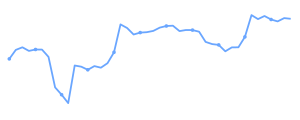
What to record
Entry and exit, the setup, why you took it, the stop and target, and how you felt. Later add the best and worst price reached while the trade was open.
What to look for
Which setups pay, which times of day lose, whether you move stops, and whether losing trades were in profit first (a sign of targets set too far or exits managed badly).
On Candlesview
The workspace journal imports paper trades and CSV files, measures best and worst prices, and computes statistics per setup.
Try it
Check what you took from it
3 questions on this lesson. With at most one wrong answer the lesson is marked as done in this browser; nothing is sent anywhere.
Education only. Nothing here is financial advice or a recommendation to buy or sell anything; trading involves a high risk of losing money.