Order types: market, limit and stop
A market order takes the best price now; a limit order waits for your price; a stop order wakes up when price reaches a level.
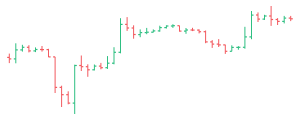
Market order
Fills immediately at the best price available. You are sure to trade but not sure of the exact price: in a fast or thin market the fill can be worse than the price on screen. That difference is called slippage.
Limit order
Waits at your price or better. A buy limit sits below the current price, a sell limit above it. You control the price but may never be filled if the market does not come to you.
Stop order
Becomes a market order once price touches the stop level. A buy stop sits above the price (to join a breakout), a sell stop below it (often to close a losing position). A stop-limit becomes a limit order instead, which controls the price but may not fill in a fast move.
Take profit and stop loss
These are just limit and stop orders attached to a position, so the exit is decided before emotions get involved. In the Candlesview paper terminal you can drag them on the chart and see the result at each price.
Try it
Check what you took from it
3 questions on this lesson. With at most one wrong answer the lesson is marked as done in this browser; nothing is sent anywhere.
Terms in this lesson
Education only. Nothing here is financial advice or a recommendation to buy or sell anything; trading involves a high risk of losing money.